Freedom Struggle & Revolt

Freedom Struggle & Revolt

Thalakkal Chanthu

Contribution to India’s tribal freedom struggle

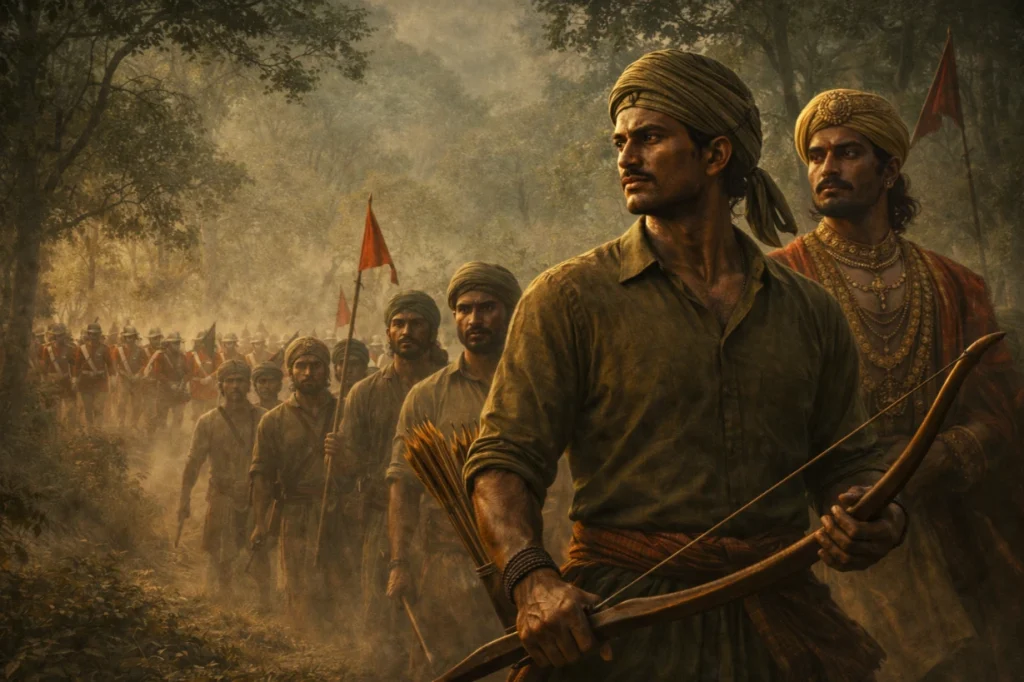
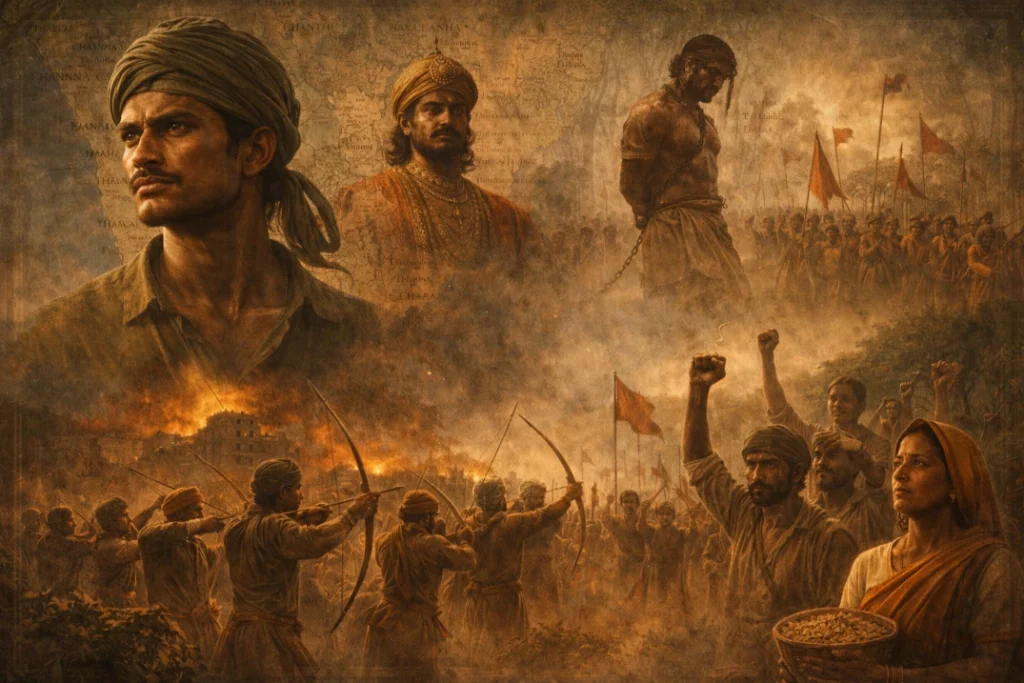
Thalakkal Chanthu emerged as one of the most fearless tribal commanders in the early resistance against British colonial expansion in South India. As a key military leader under Pazhassi Raja, he played a decisive role in guerrilla warfare that challenged the British East India Company in the dense forests of Wayanad.

Role in the Fight Against British Colonial Rule

Thalakkal Chanthu played a crucial role in the anti-British resistance movement in the Malabar region during the late 18th and early 19th centuries. When the British East India Company imposed heavy land revenue systems and attempted to control forest territories,

Key Battles, Strategies, and Leadership

Thalakkal Chanthu was renowned for his exceptional archery skills and mastery of guerrilla warfare. He specialized in surprise attacks, ambushes, and rapid retreats, using the thick forests and hilly terrain of Wayanad to his advantage

Allies and Supporters in Anti-British Resistance

halakkal Chanthu did not fight alone. His strongest alliance was with Edachena Kunkan, the chief military leader of Pazhassi Raja. Under Kunkan’s guidance, Chanthu rose through the ranks and eventually commanded Kurichya forces independently.

Impact and legacy of the revolt

The revolt led by Thalakkal Chanthu, alongside Pazhassi Raja, delivered a strong and lasting challenge to British colonial authority in the Malabar region. Key victories, particularly in Wayanad, exposed the vulnerability of British forces and disrupted their administrative

The Resistance Leadership

The struggle led by Thalakkal Chanthu was characterized by its resilience. Even when the British declared him an outlaw and offered rewards for his capture, the local population refused to betray him. This deep-rooted support allowed him to sustain a decade-long rebellion.

His leadership style was hands-on. He didn't just command from the rear; he led the charges at Panamaram and Periya Pass. His tactical brilliance forced the British to change their entire approach to warfare in India, eventually leading to the creation of specialized "jungle units" to counter him.

Key Battles

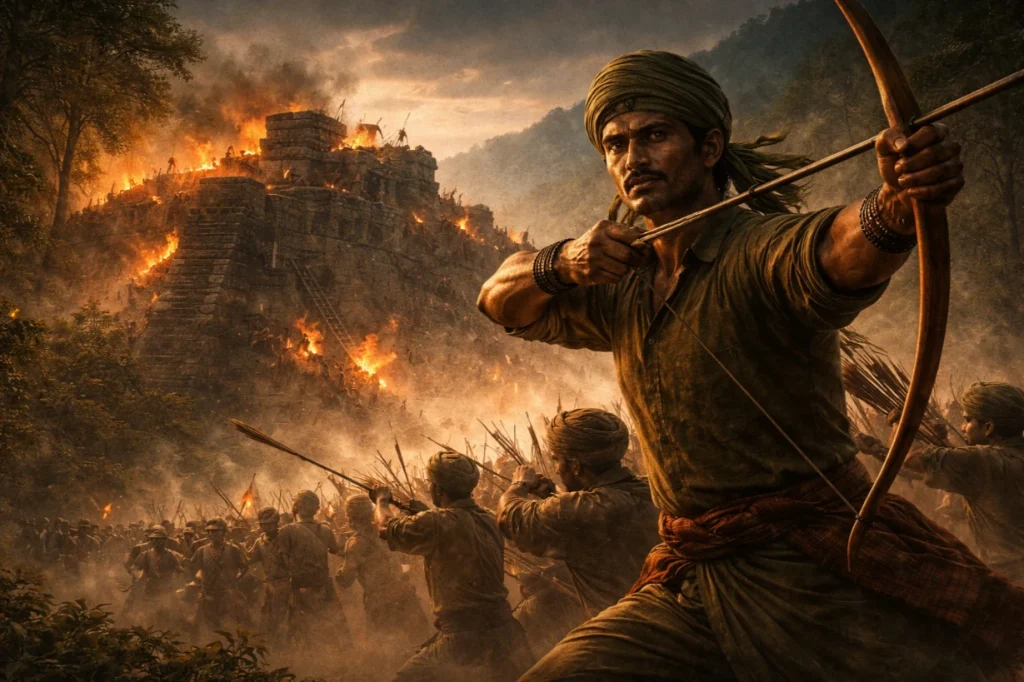
The Battle of Panamaram (1802): Perhaps his most famous victory, where Chanthu led 150 Kurichiya warriors to capture the British fort at Panamaram, killing the entire garrison.

Guerilla Skirmishes: Numerous small-scale engagements in the dense forests of Wayanad where British regular infantry found themselves helpless against invisible archers.

Jungle Strategy

Chanthu utilized the Terrain Advantage of the Western Ghats to neutralize the superior firepower of the British cannons and muskets.

His Intelligence Network comprised of local tribal communities who provided real-time movement data of British troops while keeping his own locations secret.

Allies & Support

Pazhassi Raja: Chanthu was the most trusted lieutenant of the 'Lion of Kerala', Kerala Varma Pazhassi Raja.

The Kurichiya Archers: His primary fighting force, legendary for their precision and speed, forming a specialized forest infantry.
Role in the Fight Against British Colonial Rule

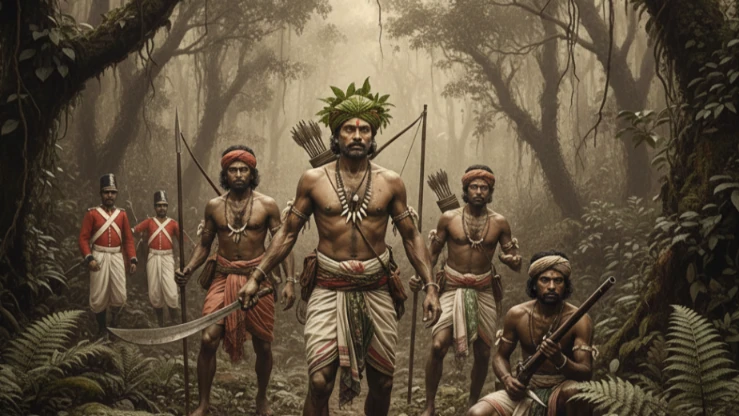
Thalakkal Chanthu played a crucial role in the anti-British resistance movement in the Malabar region during the late 18th and early 19th centuries. When the British East India Company imposed heavy land revenue systems and attempted to control forest territories, tribal communities like the Kurichyas rose in opposition. Chanthu aligned himself with Kerala Varma Pazhassi Raja, becoming a key figure in the armed struggle against colonial exploitation.

Key Battles, Strategies, and Leadership

Thalakkal Chanthu was renowned for his exceptional archery skills and mastery of guerrilla warfare. He specialized in surprise attacks, ambushes, and rapid retreats, using the thick forests and hilly terrain of Wayanad to his advantage.

The most notable battle under his leadership was the attack on the Panamaram British Fort on 11 October 1802. Leading approximately 175 Kurichya archers,.

Allies and Supporters in Anti-British Resistance

Thalakkal Chanthu did not fight alone. His strongest alliance was with Edachena Kunkan, the chief military leader of Pazhassi Raja. Under Kunkan’s guidance, Chanthu rose through the ranks and eventually commanded Kurichya forces independently.

His primary supporters were the Kurichya tribal warriors, known for their unmatched skill in archery and jungle warfare. Local farmers and villagers also supported the revolt by providing food, shelter, and intelligence. Together, these alliances formed a powerful resistance network that sustained the rebellion for several years despite relentless British counter-attacks.

Impact and legacy of the revolt

Thalakkal Chanthu did not fight alone. His strongest alliance was with Edachena Kunkan, the chief military leader of Pazhassi Raja. Under Kunkan’s guidance, Chanthu rose through the ranks and eventually commanded Kurichya forces independently.

His primary supporters were the Kurichya tribal warriors, known for their unmatched skill in archery and jungle warfare. Local farmers and villagers also supported the revolt by providing food, shelter, and intelligence. Together, these alliances formed a powerful resistance network that sustained the rebellion for several years despite relentless British counter-attacks.

Scroll to Top