Biography

Biography

1770–1775

🏹 Early life and upbringing

Thalakkal Chanthu (also spelled Thalakkal Chandu) was born into the Kurichya tribal community in the forested region of Wayanad, Kerala (then part of the Malabar area under British expansion). The Kurichyas were skilled archers and agricultural people known for their strength, resilience, and deep connection to land and jungle life. Chanthu grew up in this traditional tribal environment, where knowledge of hunting, archery, and survival shaped the young male members of the community. His early experiences with tribal customs and daily life in the Wayanad forests helped form his courage and loyalty to his people and their way of life.

🏹 Education and formative experiences

Chanthu did not receive formal schooling in the modern sense, as education in his community was rooted in practical tribal traditions. From an early age, he learned archery, woodland strategy, and mountain guerrilla skills passed down through generations. These abilities were necessary tools for survival and community protection. As British colonial influence and high revenue taxes began to affect Wayanad farmers and tribal lands, Chanthu’s formative years prepared him for a future role in resistance. Traditional tribal mentoring and immersion in community defense shaped his early mindset toward leadership, bravery and collective resistance against external oppression.

1785 – 1798

19th century

🏹 Rise as a leader

Chanthu’s rise to prominence came through his remarkable skill as an archer and warrior. He began his military career under Edachena Kunkan, a chief lieutenant of Pazhassi Raja — a prominent king who led resistance against the British East India Company in Kerala’s jungles in the early 19th century. Due to his exceptional combat ability and tactical acumen, Chanthu was eventually promoted to commander-in-chief of the Kurichya soldiers under Kunkan’s supervision, making him one of the most trusted and capable leaders in the freedom movement.

🏹 Military Leadership and Rebellion

In response to oppressive taxation and the harsh rule of the British East India Company over local farmers and tribal populations, Chanthu and his fellow Kurichyas joined the broader revolt led by Edachena Kunkan and Pazhassi Raja. On 11 October 1802, Chanthu co-led a group of 175 Kurichya archers in a daring assault on the British fort at Panamaram. This successful attack dealt a significant blow to British forces: they captured the fort and defeated the soldiers stationed there, killing the commanding officer and all troops guarding it.

🏹 Legacy and death

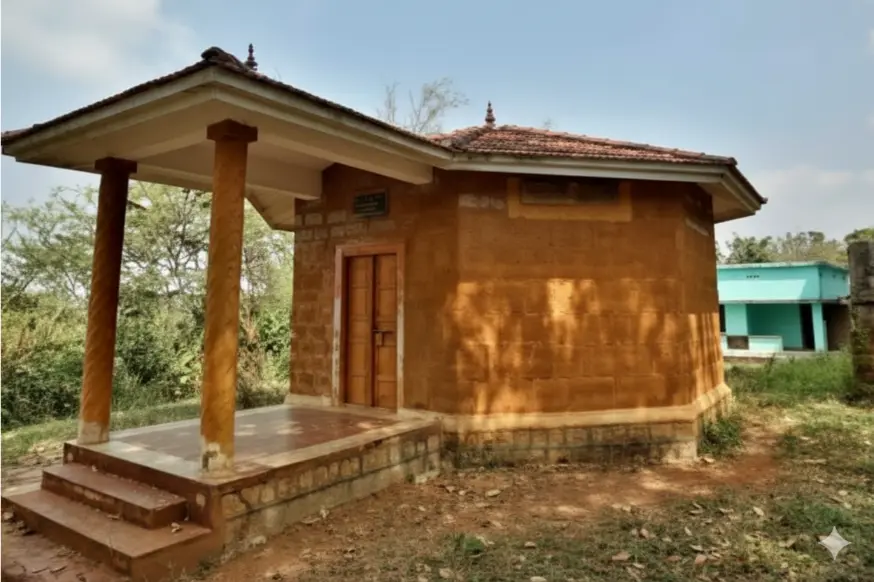
The British forces struck back fiercely. On 15 November 1805, Thalakkal Chanthu was surrounded, captured, and executed under a Koly tree in Panamaram. His death marked the loss of one of the most heroic tribal leaders resisting colonial rule in southern India. In later years, the Government of Kerala recognized his bravery by installing a memorial and museum near Panamaram Fort on the banks of the Kabini River — displaying traditional weapons and artifacts associated with Chanthu and the Kurichya warriors.

🏹 Historical Significance

In response to oppressive taxation and the harsh rule of the British East India Company over local farmers and tribal populations, Chanthu and his fellow Kurichyas joined the broader revolt led by Edachena Kunkan and Pazhassi Raja. On 11 October 1802, Chanthu co-led a group of 175 Kurichya archers in a daring assault on the British fort at Panamaram. This successful attack dealt a significant blow to British forces: they captured the fort and defeated the soldiers stationed there, killing the commanding officer and all troops guarding it.

🏹 Military Leadership and Rebellion

In response to oppressive taxation and the harsh rule of the British East India Company over local farmers and tribal populations, Chanthu and his fellow Kurichyas joined the broader revolt led by Edachena Kunkan and Pazhassi Raja. On 11 October 1802, Chanthu co-led a group of 175 Kurichya archers in a daring assault on the British fort at Panamaram. This successful attack dealt a significant blow to British forces: they captured the fort and defeated the soldiers stationed there, killing the commanding officer and all troops guarding it.

🏹 Legacy and death

The British forces struck back fiercely. On 15 November 1805, Thalakkal Chanthu was surrounded, captured, and executed under a Koly tree in Panamaram. His death marked the loss of one of the most heroic tribal leaders resisting colonial rule in southern India. In later years, the Government of Kerala recognized his bravery by installing a memorial and museum near Panamaram Fort on the banks of the Kabini River — displaying traditional weapons and artifacts associated with Chanthu and the Kurichya warriors.

🏹 Historical Significance

In response to oppressive taxation and the harsh rule of the British East India Company over local farmers and tribal populations, Chanthu and his fellow Kurichyas joined the broader revolt led by Edachena Kunkan and Pazhassi Raja. On 11 October 1802, Chanthu co-led a group of 175 Kurichya archers in a daring assault on the British fort at Panamaram. This successful attack dealt a significant blow to British forces: they captured the fort and defeated the soldiers stationed there, killing the commanding officer and all troops guarding it.

Scroll to Top